
Nattokinase and Pine Bark Extract Promote Vascular Health
Nattokinase and Pine Bark Extract Promote Vascular Health
Nalin Arya
What is Vascular Disease?
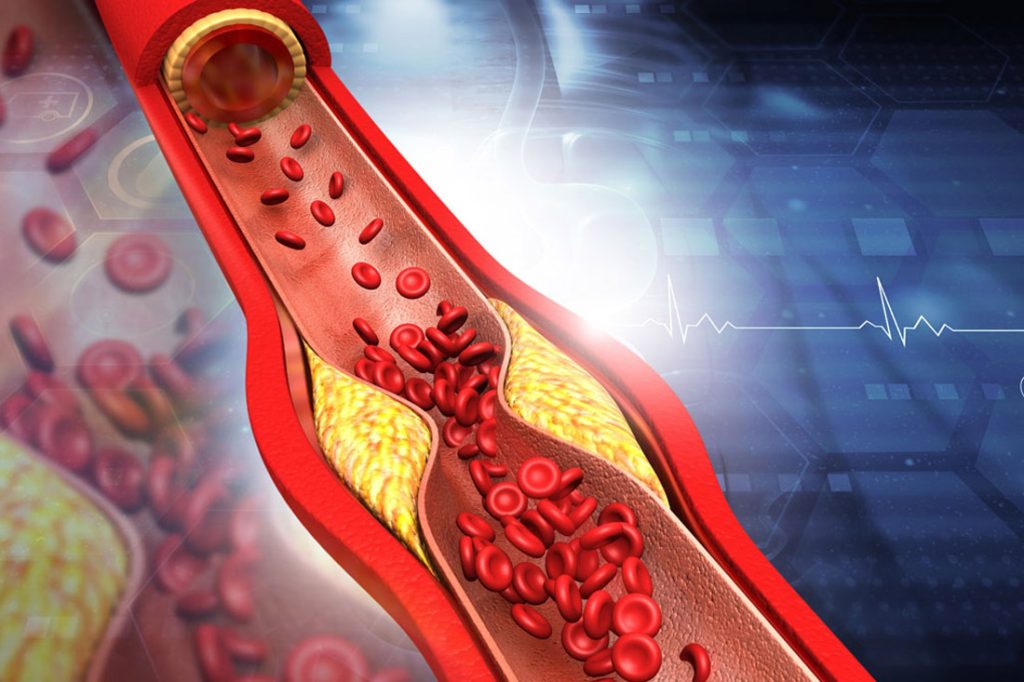
Vascular disease is an umbrella term for diseases that affect arteries, veins, and microvasculature. These include atherosclerosis, thrombosis, carotid artery disease, and chronic venous insufficiency. In atherosclerosis, the arteries become narrow and stiff due to a buildup of lipid-rich plaques. Thrombosis is the formation of a blood clot inside a blood vessel, obstructing the flow of blood through the circulatory system. If the clot breaks free and starts travelling in the body, it can lead to severe life-threating complications such as pulmonary embolism, stroke, or heart attack. Carotid artery disease occurs when the carotid arteries, which supply blood to the brain, become narrowed or blocked due to plaque buildup, increasing the risk of stroke. Chronic venous insufficiency is a condition that makes it difficult for blood to return to the heart from the lower parts of the body.
Rise of Vascular Diseases
Vascular diseases represent one of the most significant global health challenges of the modern era. They collectively affect hundreds of millions of people worldwide and can often lead to heart attacks, strokes, or other severe complications. Primary drivers of vascular diseases are aging populations, sedentary behavior, metabolic dysfunction, and chronic inflammation.
Causes of Vascular Diseases
Most vascular diseases have a gradual and silent development process that, if left unchecked, leads to endothelial dysfunction, plaque formation, or impaired blood flow before more serious symptoms emerge. Though these diseases vary in symptoms, there are commonly shared causes such as inflammation, oxidative damage, and compromised vascular signaling.(8)
Chronic inflammation is the main culprit in vascular problems, harming endothelial cells and facilitating plaque formation. The situation is made worse by oxidative stress which lowers the availability of nitric oxide, a molecule that is necessary for vasodilation and normal blood flow. Eventually, these processes cause elevated vascular resistance, the blood vessels lose their elasticity, and overall circulation becomes compromised.
Natural Treatments of Vascular Diseases
In spite of advances in pharmaceutical therapies and public health initiatives, the prevalence of vascular disease continues to rise. As a result, both researchers and clinicians are striving to explore alternative strategies aimed at prevention and sustaining vascular health.(7) Along with more traditional pharmaceutical testing, there has been a growing field of research in natural remedies or “nutraceuticals” (a term coined for compounds that are natural yet have added health benefits beyond just basic nutrition), that have the potential to improve vascular health. Not only do these “nutraceuticals lack the lengthy list of side effects that most pharmaceutical products come with but also come much cheaper than them.
Among these “nutraceuticals”, nattokinase and pine bark particularly standout for their benefits in helping prevent vascular disease. They decrease inflammation, bolster circulation, and reduce oxidative stress. Nattokinase has enzymatic compounds that influence fibrin metabolism while pine bark has anti-inflammatory and oxidative compounds. Research studies show that taken alone they show promising results and taken together, they exert a powerful synergistic effect on vascular health. (10) They could work in tandem with or even replace more widespread pharmaceutical solutions.(9)
Nattokinase
Nattokinase is a naturally occurring enzyme derived from natto, a traditional Japanese food produced by fermenting soybeans with Bacillus subtilis (one of the most widely known and studied bacteria that aids the body with breaking down food, absorbing nutrients, and supporting the immune system). Natto has a long history of dietary use, and nattokinase was identified as one of its most biologically active components. The enzyme is classified as fibrinolytic, meaning it supports the body’s natural processes for breaking down fibrin, a structural protein involved in blood clot formation. This property has made nattokinase a subject of interest in studies focused on circulation and clot-related risk factors.(3)
Nattokinase appears to support fibrinolysis through several pathways, including direct degradation of fibrin and enhancement of the body’s natural plasmin activity. By reducing fibrin accumulation and potentially lowering blood viscosity, nattokinase promotes smoother blood flow and improved circulation. Some studies also suggest that it may influence blood pressure regulation, possibly through effects on angiotensin converting enzyme pathways (angiotensin being a key hormone in controlling the constriction of blood vessels), although this mechanism remains an area of ongoing investigation. These combined actions position nattokinase as a compound of interest for maintaining circulatory efficiency rather than directly inhibiting coagulation.(2)
A 2017 Chinese study, performed by researchers from Sun Yat-sen University evaluated how well nattokinase reduced common carotid artery intimal medial thickness (CCA-IMT) and carotid artery plaque size. One group of patients was treated with nattokinase while the second group received conventional statin therapy. After the 26-week test period, the results were astounding with “the carotid plaque size and CCA-IMT reducing from (0.25±0.12) cm to (0.16±0.10) cm and from (1.13±0.12) mm to (1.01±0.11) mm, respectively”. The reduction was considered statistically significant (p<0.01). The nattokinase group showed an overall 36.6% reduction in plaque size versus a mere 11.5% change in the statin group. These findings suggest that nattokinase may offer a promising, clinically relevant approach to improving vascular health, with effects that exceed conventional statin treatment.(4)
Research on nattokinase, though still emerging, has produced encouraging findings. Clinical studies and observational research have reported improvements in blood flow parameters, reductions in markers associated with clot formation, and some decreases in systolic and diastolic blood pressure in certain populations. These effects appear most relevant in individuals with early or subclinical circulatory concerns rather than advanced cardiovascular disease. The key takeaways from these studies are that nattokinase dissolves clots, reduces oxidative stress and inflammation, enhances endothelial function, and helps lower blood pressure. In addition to these positives, nattokinase usage does not raise the risk of bleeding as blood thinners often do.(6)
From a safety perspective, nattokinase is well tolerated by the body but caution is essential for individuals already using anticoagulant or antiplatelet medications. Due to its fibrinolytic activity, there is a theoretical risk of increased bleeding when combined with pharmaceutical blood thinners. For this reason, one must emphasize the importance of getting a basic level of knowledge regarding vascular and personal health and consulting a physician before taking nattokinase.
Pine Bark Extract
Pine bark extract, commonly marketed as Pycnogenol®, is derived from the bark of the Pinus pinaster tree, native to Mediterranean coastal regions. The extract is rich in polyphenolic compounds, including procyanidins, catechins, and phenolic acids, which collectively contribute to its strong antioxidant properties. Pine bark extract has been studied extensively for its effects on vascular function, inflammation, and circulation.
The primary mechanisms of pine bark extract involve its ability to neutralize reactive oxygen species and protect endothelial cells from oxidative damage. In addition, it has been shown to enhance nitric oxide production, supporting vasodilation and improving blood flow. Its anti-inflammatory effects further contribute to vascular health by interacting positively in the body’s cytokine activity and reducing endothelial stress. Together, these actions support the overall structural and functional integrity of blood vessels.(1)
Clinical studies have demonstrated that pine bark extract may improve and enhance microcirculation as well, particularly in the lower extremities. Research has also reported benefits for individuals experiencing leg swelling, heaviness, or symptoms associated with chronic venous insufficiency. Additional studies suggest potential advantages in populations with metabolic risk factors, where oxidative stress and vascular dysfunction are more pronounced. Overall, pine bark extract is considered well tolerated, with a favorable safety profile and minimal reported adverse effects.(11)
One such study from L’Aquila University in Italy compared the efficacy of pine bark extract with the prescription drug Daflon in 86 patients suffering from severe chronic venous insufficiency (CVI). Participants supplemented daily for eight weeks with either 150 or 300 mg of pine bark extract or 1000 mg of Daflon. Ankle swelling and CVI symptoms were evaluated at the beginning of the study and throughout the trial through intermittent assessments and patient-reported composite scores. After eight weeks, pine bark extract diminished ankle swelling by 35%, compared to a 19% reduction in the Daflon group. Total CVI symptoms (edema, pain, restless legs, heaviness, and skin changes) were reduced by 64% with pine bark extract while Daflon only resulted in a 32% reduction. Microcirculation parameters revealed that pine bark extract markedly increased tissue oxygenation and decreased carbon dioxide levels in the lower legs, an indicator of improved blood flow. Daflon was unable to elicit any significant changes in these parameters. A higher pine bark extract dose (300 mg) did not confer much advantage over 150 mg, except for a slightly higher composite symptom score. The research also implies that pine bark extract helps in the prevention of vein enlargement by alleviating edema and restoring venous pressure to normal levels. In sum, these results point to pine bark extract as an effective alternative to chronic venous insufficiency, topping the pharmaceutical treatment that is commonly prescribed.(5)
Conclusion
When compared with conventional vascular medications such as anticoagulants, statins, and antihypertensive drugs, nattokinase and pine bark extract operate through different biological pathways. Pharmaceutical agents are designed to treat diagnosed conditions and reduce acute risk, whereas these nutraceuticals shine in their supportive and preventive roles. Nattokinase promotes physiological fibrinolysis without directly inhibiting clotting factors, while pine bark extract supports endothelial function rather than directly lowering cholesterol or blood pressure.
Importantly, the potential benefits of these compounds appear most relevant when they are integrated into a broader lifestyle-based prevention strategy. Diet quality, physical activity, metabolic health, stress management, and sleep all play foundational roles in vascular resilience. Nutraceuticals may provide additional support but are unlikely to be effective in isolation. From a mechanistic standpoint, nattokinase and pine bark extract complement one another by addressing both blood flow dynamics and vessel wall health. Preliminary research and theoretical models suggest that combining fibrinolytic and antioxidant approaches could offer a more comprehensive and safer vascular support than their pharmaceutical counterparts.
Individuals who may benefit most from such approaches include those with early signs of impaired circulation, sedentary lifestyles, increased oxidative stress, or age related vascular changes, rather than those with advanced or acute vascular disease. In these populations, preventive strategies aimed at preserving endothelial function and circulatory efficiency may be particularly valuable.
This growing scientific interest in nattokinase and pine bark extract reflects a broad shift favoring preventive approaches to vascular health. Nattokinase’ s fibrinolytic properties and pine bark extract’s antioxidant and vasodilatory effects target complementary aspects of vascular physiology, making these two compounds a perfect tandem for healthy vasculature. Future research may explore combined enzymatic and antioxidant protocols as part of integrative cardiovascular prevention strategies.
Sources
- Cleveland Clinic. (2022, October 7). What is the Endothelium? Cleveland Clinic.
- Docagne, F., Parcq, J., Lijnen, R., Ali, C., & Vivien, D. (2015). Understanding the Functions of Endogenous and Exogenous Tissue-Type Plasminogen Activator During Stroke. Stroke, 46(1), 314–320.
- Sapkota, A. (2022). Bacillus subtilis- An Overview and Applications. Microbe Notes.
- 纳豆激酶对颈动脉粥样硬化和高血脂患者的疗效观察-论文-万方医学网. (2017). Wanfangdata.com.cn.
- Koch, R. (2002), Comparative study of Venostasin® and Pycnogenol® in chronic venous insufficiency. Phytother. Res. 16: 1-5.
- Wei, C., Cai, R., Song, Y., Liu, X., & Xu, H.-L. (2025). Research Progress of Nattokinase in Reducing Blood Lipid. Nutrients, 17(11), 1784.
- Cleveland Clinic. (2019). Vascular Disease Overview | Cleveland Clinic. Cleveland Clinic.
- Medline Plus. (2019). Vascular Diseases. Medlineplus.gov; National Library of Medicine.
- Meštrović, T. (2011, July 19). What are Nutraceuticals? News-Medical.net.
- World Health Organization. (2025, July 31). Cardiovascular diseases (CVDs). World Health Organization .
- Snyder, C., & Marengo, K. (2021, February 11). Pine Bark Extract: Uses, Benefits, and Side Effects. Healthline.